
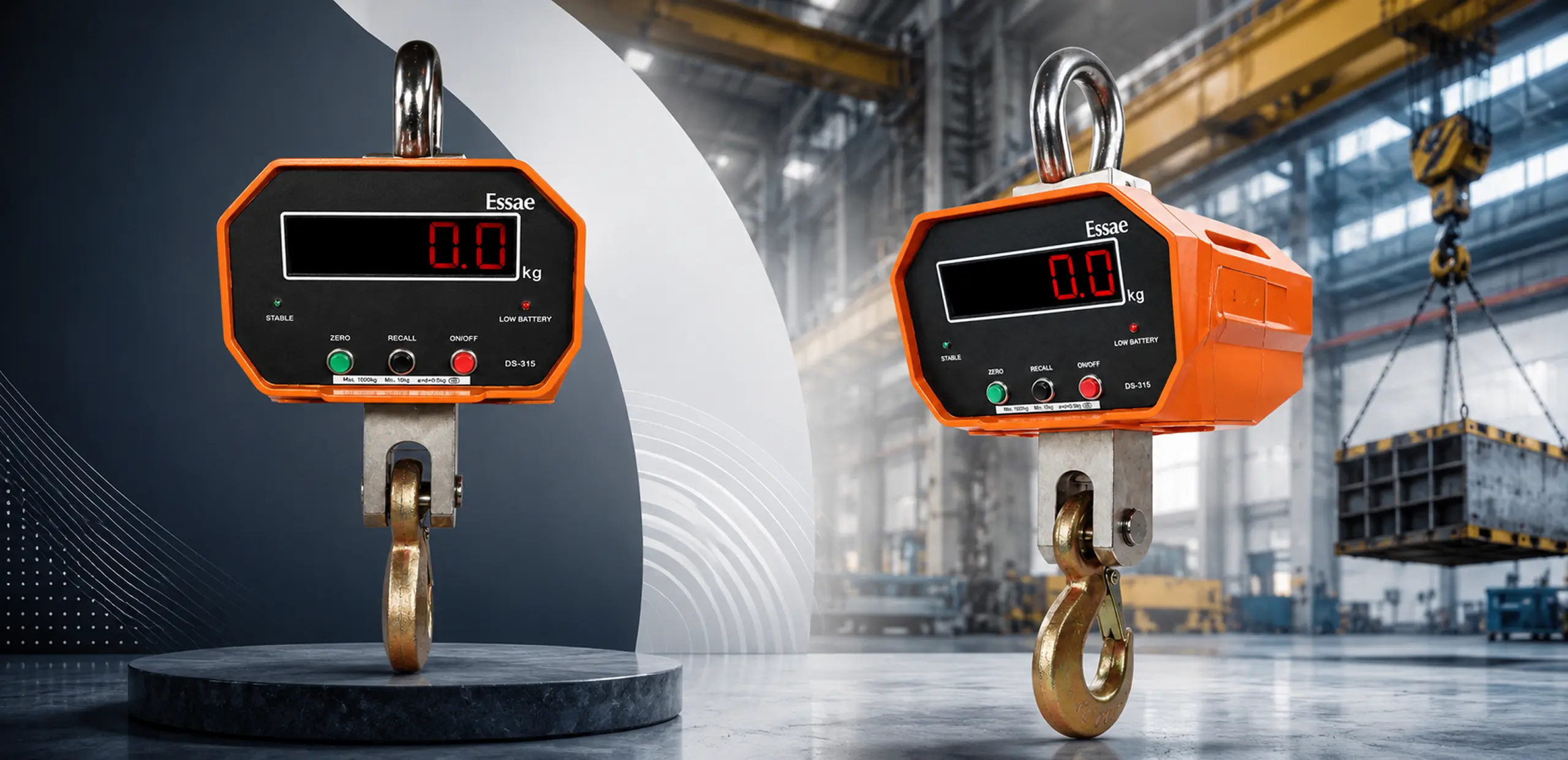
In industries where heavy loads are lifted and transported daily, accurate weight measurement is essential for both safety and efficiency. Crane scales play an important role in operations such as manufacturing, logistics, construction, shipping, and steel processing.
By measuring the weight of suspended loads directly from cranes or hoists, these devices help prevent overloading, improve workflow, and maintain compliance with safety standards. However, selecting the right crane scale is not as simple as picking the first model available. Different industries require different capacities, accuracy levels, and environmental durability.
Understanding the key factors involved in choosing a crane scale helps businesses invest in equipment that performs effectively over time while improving operational productivity.
What Is a Crane Scale and Why Is It Important?
A crane scale is a weighing device attached to a crane hook or lifting mechanism to measure the weight of suspended loads. Instead of moving heavy materials to a floor scale, workers can weigh them directly during lifting operations.
This method saves time and improves safety by reducing unnecessary material handling. Many modern crane scales are digital and offer features such as wireless displays, data logging, and overload alerts.
Digital models are typically more accurate and provide additional functions like tare and measurement stabilization. Choosing the right model ensures accurate weighing, efficient operations, and safer lifting procedures.
Industries commonly using crane scales include:
- Production Facilities
- Storage & Distribution Centers
- Steel and Metal Processing Units
- Shipping and Ports
- Construction Sites
Factors to Consider When Choosing a Crane Scale
1. Maximum Load Capacity
The first and most important factor is the maximum weight capacity. Crane scales are available in a wide range of capacities, from a few hundred kilograms to several hundred tons, depending on industrial requirements.
Ideally, the scale’s capacity should be 10–20% higher than the heaviest load you expect to lift to ensure safe and reliable operation. This buffer helps prevent overloading and ensures the equipment operates safely and accurately over time. Selecting the right capacity protects both workers and equipment.
For example:
- Small warehouses: 500 kg–2 ton scales
- Manufacturing units: 2–10 ton scales
- Heavy industries: 20 tons or more
2. Reliable Weight Readings
Accuracy is another critical factor when choosing a crane scale. Industrial crane scales typically offer accuracy levels between ±0.1% and ±1% of total capacity, depending on the model and technology used.
For general industrial operations, moderate accuracy may be sufficient. However, industries such as aerospace, pharmaceuticals, or steel manufacturing may require highly precise measurements. Businesses should choose a scale with accuracy that matches their operational needs.
Higher accuracy ensures:
- Better inventory tracking
- Improved production control
- Less material wastage
- Compliance with industry regulations
3. Environmental Conditions
The environment where the crane scale will operate significantly influences the type of scale required. Industrial environments can expose equipment to dust, moisture, extreme temperatures, or chemicals.
When selecting a crane scale, consider whether your operations involve:
- Outdoor environments
- Dusty warehouses
- High-temperature foundries
- Wet or high-moisture environments
In such situations, choosing models with higher IP ratings or weather-resistant construction helps ensure durability and reliable performance.
Rugged materials such as steel or aluminum housings can also improve resistance to impact and heavy usage.
4. Display and Connectivity Features
Modern crane scales often include advanced digital features that improve usability and safety. Advanced models may include:
- Large LED displays are visible from a distance
- Remote control operation
- Wireless or Bluetooth displays
- Data logging capabilities
Wireless displays are particularly useful when operators need to monitor weight readings from a safe distance away from the load. Digital crane scales also provide functions like tare, zero, and peak hold, making measurements more convenient during lifting operations.
Choosing the right display and connectivity features can significantly improve workflow efficiency.
5. Durability and Construction Quality
Industrial crane scales must withstand harsh working conditions and continuous usage. Construction quality plays a major role in ensuring long-term performance.
When selecting a crane scale, consider features like:
- Heavy-duty hooks and shackles
- Shock-resistant construction
- Built-in overload protection
- Durable metal housing
Some models even include overload protection mechanisms that prevent damage if the load exceeds the rated capacity. Durable construction not only extends equipment life but also improves safety in lifting operations.
6. Quality Certifications & Compliance
In certain industries, crane scales must meet regulatory standards or be certified for trade or compliance purposes. Certified scales ensure that weight readings meet legal measurement standards, particularly for commercial transactions.
Calibration and certification also ensure the scale maintains consistent accuracy over time. Businesses should verify that the crane scale complies with relevant industry regulations and safety guidelines.
Additional Features to Look For
Beyond the basic factors, some advanced features can further enhance operational efficiency. These features help operators obtain more reliable measurements and streamline weighing processes.
- The Tare function subtracts container weight
- Peak hold for unstable loads
- Rechargeable batteries for long operating hours
- Automatic zero tracking to maintain accuracy during use
Conclusion
Selecting the right crane scale is essential for industries that rely on lifting and weighing heavy materials. By evaluating factors such as load capacity, accuracy, working environment, durability, and digital features, businesses can choose equipment that delivers reliable performance and improves operational safety.
The right crane scale not only ensures precise measurements but also enhances efficiency and reduces the risk of accidents during lifting operations. Investing in a high-quality weighing solution ultimately supports smoother workflows, better inventory management, and long-term productivity across industrial environments.
Looking for reliable industrial crane scales? Essae offers advanced weighing solutions designed for accuracy, durability, and safety. Explore Essae’s range of crane scales to improve efficiency and confidence in every lift.


