
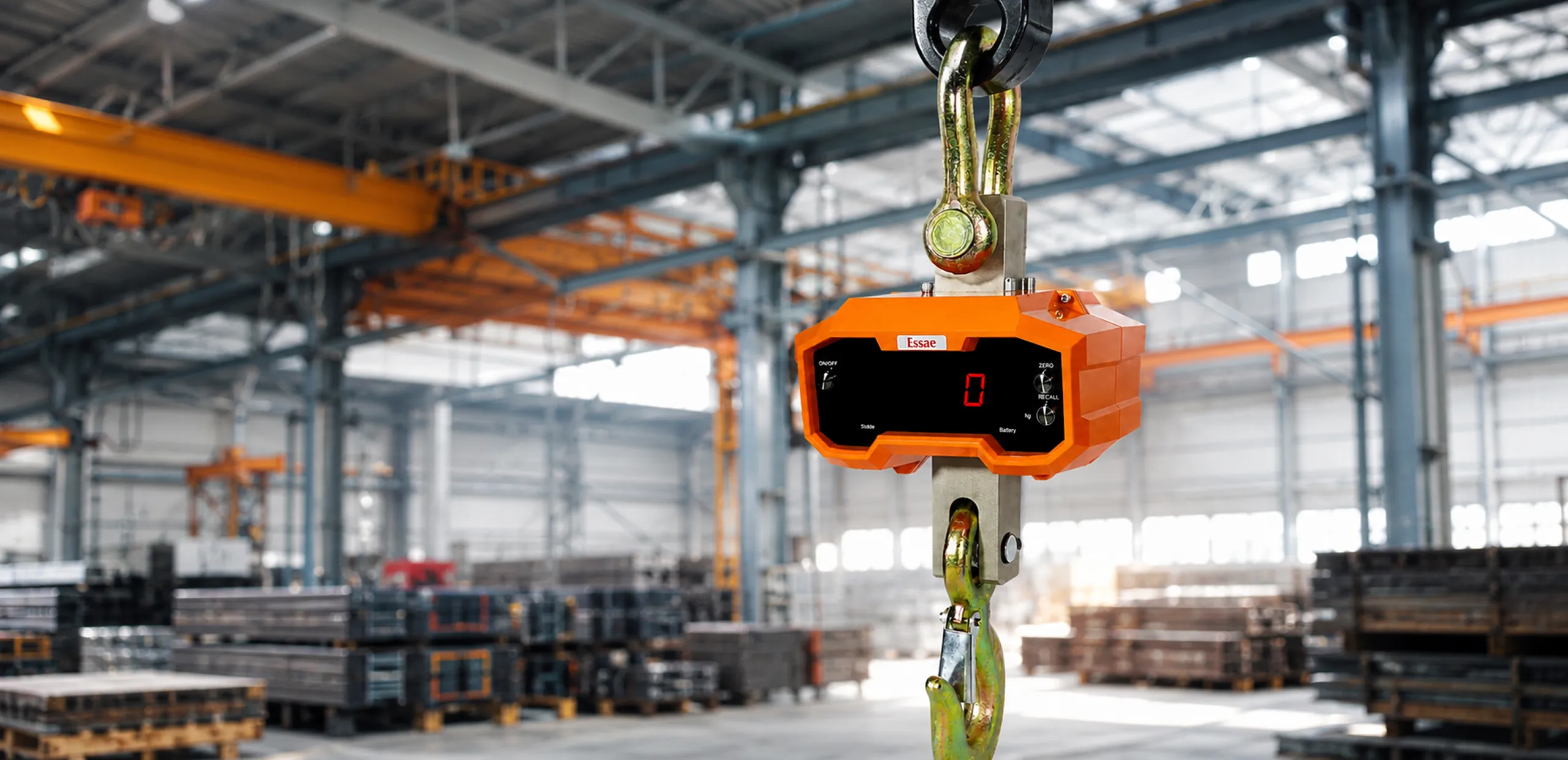
Crane scales are widely used in warehouses, shipping yards, steel plants, and manufacturing facilities where heavy materials need to be weighed while being lifted. Unlike platform scales, crane scales are suspended from lifting equipment such as overhead cranes, hoists, or hooks.
Because these devices work in demanding industrial environments, choosing the right one is important for both safety and accurate weight measurement. A poorly chosen crane scale can lead to incorrect readings, equipment damage, or operational delays.
Before purchasing one, it helps to understand the key technical features that affect performance and reliability. Knowing what to look for will help businesses invest in a crane scale that suits their load capacity, working conditions, and daily operations.
1. Load Capacity and Safety Margin
The first and most important feature to consider is the load capacity of the crane scale. Every scale is designed to measure weight within a specific range, and selecting the correct capacity is critical.
For example, if your operations regularly lift loads of around 3 tons, choosing a crane scale with a capacity slightly above that, such as 5 tons, provides a safety margin. Operating a scale constantly near its maximum limit can affect measurement accuracy and reduce the life of the load cell.
Industrial buyers should also check the overload protection rating. Many good crane scales include built-in safeguards that prevent damage when loads briefly exceed the rated capacity. This protection becomes especially useful in environments where load weights may vary frequently.
2. Accuracy and Measurement Resolution
Accuracy is another major factor when selecting a crane scale. In industries such as metal processing, logistics, and construction, even small weight differences can affect material costing and inventory calculations.
Crane scales measure weight using load cells, which convert mechanical force into electrical signals. The quality of the load cell and internal electronics directly affects how accurate the readings are.
Two specifications are worth checking:
- Accuracy rating- indicates how close the measured weight is to the actual weight
- Resolution– shows the smallest weight increment the scale can display
For instance, a crane scale with a 5-ton capacity might display readings in increments of 1 kg or 2 kg. Choosing the right resolution depends on how precise your measurements need to be.
3. Build Quality and Durability
Crane scales are often used in tough industrial settings where dust, vibration, and temperature changes are common. Because the scale is suspended while lifting heavy loads, strong construction is essential.
Look for crane scales that include:
- High-strength steel or aluminum alloy housing
- Heavy-duty hooks and shackles
- Shock-resistant internal components
Another important factor is the IP protection rating. An IP rating indicates how well the device is protected against dust and moisture. For outdoor operations or dusty environments like cement plants or scrap yards, higher IP ratings help extend equipment life.
A durable crane scale reduces maintenance needs and keeps operations running without interruptions.
4. Display Visibility and Remote Operation
Crane scales are usually mounted several feet above the ground while weighing loads. Because of this height, the display must be easy to read from a distance.
Many modern crane scales include large LED or LCD displays that show weight clearly, even in bright lighting conditions. Some also provide backlit displays, which are useful in low-light warehouses or night operations.
Remote control functionality is another practical feature. With a remote, operators can:
- Zero the scale
- Hold weight readings
- Change measurement units
- Control data functions
This allows workers to operate the scale from a safe distance without standing directly under a suspended load.
5. Battery Life and Power Management
Since crane scales are often used in large warehouses or outdoor yards, a continuous power supply may not always be available. That’s why battery life becomes an important feature.
Most modern crane scales use rechargeable batteries, which can run for several hours or even days depending on usage. Long battery life helps avoid interruptions during work shifts.
Some models also include power-saving modes, where the display automatically turns off when the scale is idle. This helps conserve battery energy and extend operating time between charges.
Quick charging capability is another useful feature, especially in industries where equipment must stay operational throughout the day.
Additional Features Worth Considering
While the above five features are the most important, a few additional options can also improve usability:
- Data connectivity for transferring weight data to computers or ERP systems
- Peak hold function for recording the maximum weight during lifting
- Tare function for subtracting container or hook weight
These features can help improve workflow and make weight recording easier in busy industrial environments.
Conclusion
Choosing the right crane scale involves more than simply selecting a device with the correct weight capacity. Factors such as accuracy, durability, display visibility, and battery performance play an important role in day-to-day operations.
A well-designed crane scale should provide reliable readings while handling heavy loads safely in demanding environments. By carefully reviewing these key features before purchasing, businesses can avoid operational issues and improve efficiency in material handling.
Investing in a high-quality crane scale ultimately supports safer lifting practices, better weight tracking, and smoother industrial workflows.
Essae offers dependable crane scales designed for industrial environments, combining strong construction, accurate load measurement, and easy operation to support safe and efficient material handling across warehouses, factories, and logistics facilities.


