
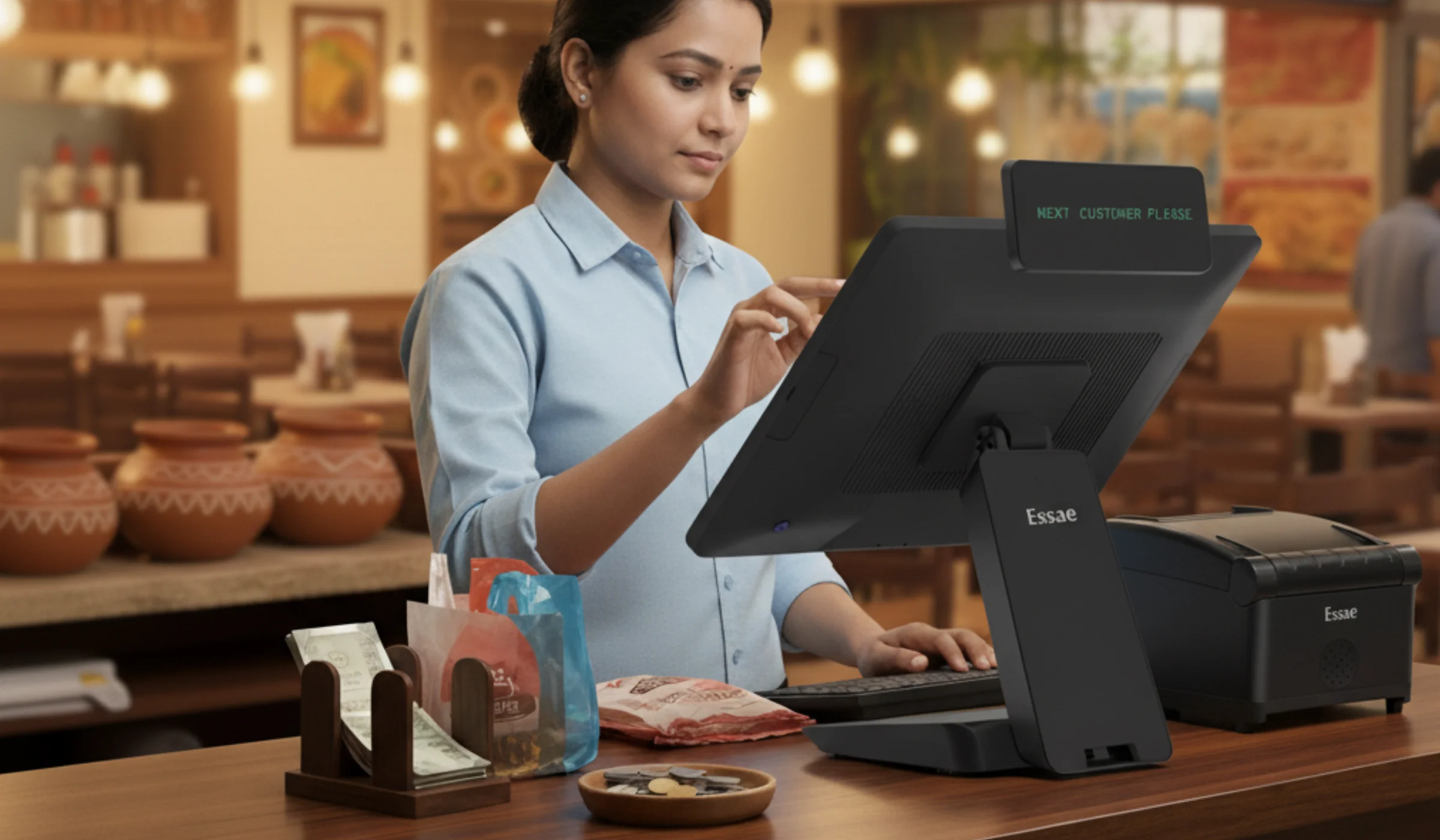
These days efficiency, speed, and smart technology are more important than ever in the restaurant industry. Whether you run a cafe or a quick service restaurant, a reliable Point of Sale (POS) system can be a game changer digital solution that helps restaurants manage sales, orders, inventory, and customer interactions from a single platform. Here are 10 key reasons why every restaurant needs a POS system:
As the food service industry grows more competitive, many restaurants are turning to POS systems to streamline operations and enhance the dining experience. From faster billing and accurate order tracking to instant stock updates and staff management, a POS system offers a lot of benefits that no modern restaurant can afford to ignore.
What is a restaurant POS System?
A restaurant POS (Point of Sale) system is a digital platform used to manage and streamline various restaurant operations beyond just billing. It enables restaurants to handle order taking, kitchen coordination, inventory control, payment processing, customer data, and staff performance from a single interface. A modern POS system enhances operational efficiency, reduces errors, and improves customer service, making it an essential tool for today’s food service businesses.
Types of restaurants that need a POS System
A modern POS system is not just for large chains, it’s a must have for any food and beverage business aiming to improve speed, service, and accuracy. Here’s how different types of restaurants benefit from a POS system:
Restaurant
- Luxury/Fine dining (PizzaExpress, Punjabi Kitchen etc) - POS systems improve reservations, special requests, and multi course orders while assuring accurate billing and personalized service. They help maintain high standards and smooth coordination between service and kitchen teams.
- Casual dining (A2B, Ballal, Haldirams etc) - Ideal for managing moderate customer flow with consistent service, POS systems simplify table management, billing, combo offers, and daily reporting. Integration with loyalty programs further enhances repeat business.
- Quick service restaurants (QSR) / Fast food (Shanthi sagar, KFC, Subway etc) - In high speed environments, a POS system reduces queue time, automates order routing to the kitchen, and guarantees payment flexibility. It also enables centralized control across multiple outlets and franchises.
Liquor
- Micro breweries (Gillys, Sky Garden etc) - Manage flexible menu options, detailed stock tracking (like pint pours), and happy hour pricing effortlessly. POS integration helps handle high volumes with accuracy, even during live events or weekends.
- Bar and pubs - Split billing, real time stock updates (e.g., liquor levels), and fast order processing are crucial in fast paced nightlife settings. A strong POS system supports smooth operations and prevents stock mismanagement or billing errors.
Beverages
- Tea (Chai point etc) - POS systems support fast moving queues, loyalty tracking, and mobile ordering. They help manage regular peak hour crowds with consistent speed and service quality.
- Coffee (Barista, Hatti kapi, Continental Coffee etc) - Enables custom order handling, digital payments, customer retention programs, and connection with delivery apps to serve walk ins and online orders from a single dashboard.
- Others (Lassi Shop, Juices etc) - Track ingredients, manage add-ons, and reduce wastage with instant stock monitoring. A POS system also allows flexible pricing and easy GST invoicing.
Desserts and snacks
- Ice creams (Pabra naturalle, Baskin robbins etc) - POS systems manage flavour level inventory, seasonal menus, and combo options while enabling quick billing during peak hours like weekends and evenings.
- Donuts (Dunkin' donuts etc) - Ideal for tracking fast moving items, managing promotional offers, and syncing in store and online orders for smooth service.
- Bakery and sweets (Asha sweets, Anand sweets etc) - Support expiry date tracking, multi branch pricing consistency, and efficient billing for bulk or festive purchases.
- Snacks (Adukale, etc) - Handle diverse product SKUs, batch level tracking, and high volume takeaway orders with ease using POS tools built for service counters.
- Chocolates (Bliss etc) - Manage premium inventory, gift packaging, and limited edition items. POS systems also help personalize customer experiences with loyalty tracking and festive deal management.
10 Ways a POS System transforms restaurant operations
Streamlined order management
As soon as an order is placed, the POS system sends it directly to the kitchen, reducing delays. In addition to providing quicker service and reducing manual errors, this also increases kitchen efficiency. Regardless of the service type, every order is managed, sorted, and tracked live for greater control. This smooth operation assures customer satisfaction and keeps workflows consistent, especially during peak hours.
Quick and flexible billing options
From cash and cards to UPI and wallets, the POS system offers flexible payment processing to suit customer preferences. They also make it easy to split bills, apply discounts, and process refunds without confusion. With the use of a touch screen billing machine for restaurants, transactions are completed faster, reducing wait time and making the checkout process faster and more convenient for guests.
Real time inventory control
Improved staff Monitoring and performance tracking
POS systems come with built-in staff management tools that track employee logins, working hours, and sales performance. This allows owners to measure productivity, detect inefficiencies, and assign roles based on live data. It also prevents mismanagement of time and enhances accountability across shifts, especially in larger establishments.
Seamless table and reservation management
Access to sales and business insights
Daily, weekly, or monthly reports can be generated automatically to give insights into sales trends, top selling dishes, peak business hours, and more. With clear, data-driven feedback, restaurant owners can confidently refine their offerings, optimize pricing, and improve staffing and promotional strategies. It also assists in budgeting and identifying areas where operational improvement is required.
Integration with online delivery platforms
By connecting directly with platforms like Swiggy, Zomato, and Uber Eats, a POS system automates online order processing by reducing manual work and saving time. All orders, whether online or dine in, are tracked through a centralized dashboard, creating smoother coordination between kitchen and service staff.
Enhanced customer experience and loyalty tracking
Customer data like visit history, preferences, and feedback can be collected and stored for personalized service. Restaurants can launch loyalty programs, send targeted offers, and build stronger relationships with repeat customers. This improves customer loyalty, increases customer flow, and fosters long term brand commitment.
Tax handling and regulatory compliance
A POS automates GST or VAT calculations, generates accurate invoices, and keeps digital records for compliance. This simplifies tax filing and makes sure restaurants avoid errors or penalties. Proper documentation also helps during audits and reduces reliance on external accountants for day to day tax management.
Scalable for growing businesses
Whether expanding from one outlet to five or diversifying into new formats, a POS system supports multi location management. Owners can monitor performance across outlets from a single dashboard. A well designed POS system for bar and restaurant chains establishes consistency in service quality and simplifies scaling without adding complexity.
Conclusion
A strong restaurant point of sale solution is no longer optional; it’s essential for modern restaurants striving for efficiency, accuracy, and growth. By integrating order management, inventory control, staff tracking, reporting, and loyalty features, a well‑configured POS transforms the way you serve and manage.
Essae offers a complete POS platform designed for cafés, bars, fine dining venues, and quick-service kitchens. Its user-friendly touch-based billing, integrated analytics, delivery coordination, and CRM features simplify day-to-day restaurant operations.


